Packing flats above Blackwall Tunnel: stairs and access tips
Posted on 06/05/2026
If you are moving in or out of a flat above Blackwall Tunnel, the job can feel simple on paper and slightly chaotic in real life. Narrow stairwells, awkward landings, limited parking, and the usual London timing pressure all add up. That is exactly why Packing flats above Blackwall Tunnel: stairs and access tips matters. A well-packed flat move is not just about putting things in boxes. It is about making every box easier to carry, easier to stack, and less likely to snag on a bannister or block a hallway.
In this guide, we will walk through the practical side of packing for stairs and access in the Blackwall area, from the first declutter to the final load-out. You will find real-world advice that helps protect your belongings, save time, and reduce the sort of last-minute stress that always seems to appear just as the kettle goes on. To be fair, that final hour is where many moves go sideways.
Why Packing flats above Blackwall Tunnel: stairs and access tips Matters
Flats above the Blackwall Tunnel area often come with a familiar London mix: older buildings, split-level layouts, basement or top-floor access, and staircases that seem to turn at the exact moment you are carrying a sofa. Even when the flat itself is manageable, the access can be the real challenge. A box that is too heavy, too wide, or poorly sealed becomes more than inconvenient. It slows the whole move down.
Good packing is the bridge between a normal flat move and a frustrating one. When boxes are prepared for narrow stairs, they are easier to tilt, pass, and place. When items are labelled well, you spend less time standing in a hallway asking, "Where does this one go again?" And when access is planned in advance, your move has a much better chance of staying calm.
This matters even more in the Blackwall area because local road layout, residential parking conditions, and mixed-use streets can make loading and unloading feel tight. A sensible packing plan helps you work with the building instead of against it. That is the real trick, honestly.
If you are still in the early planning stage, it can help to read a broader guide like a guide to effortless house moving or get a feel for the overall process from the page on flat removals in Blackwall.
How Packing flats above Blackwall Tunnel: stairs and access tips Works
The basic idea is straightforward: reduce weight, improve shape, protect fragile items, and make every package easier to move through the building. But the way you do that depends on the property. A second-floor flat with a narrow staircase needs a different packing approach from a ground-floor apartment with a wide communal entrance. One size does not fit all, not really.
In practice, the process usually works like this:
- Assess the access first. Measure stair width, landing space, door openings, and any awkward corners.
- Pack by carryability. Prioritise medium-sized boxes over oversized ones, especially for books, crockery, and paperwork.
- Distribute weight. Heavy items go in small boxes; lighter, bulkier items can go in larger cartons.
- Protect surfaces and corners. Use padding, wrapping, and proper box closure so items do not shift mid-carry.
- Label for speed. Clear labels help movers and helpers place items quickly without blocking stairs or doorways.
- Plan the route. Know which door will be used, where vans can stop, and whether lifts or shared hallways are involved.
That last point is often underestimated. A move can be perfectly packed and still feel messy if the route from flat to van is not thought through. You do not want to discover that the best parking spot is also the worst angle for a mattress. Happens all the time.
For packing materials, a useful starting point is the site's packing and boxes support in Blackwall, especially if you need the right box sizes for stair-heavy moves.
Key Benefits and Practical Advantages
When you pack with stairs and access in mind, the benefits are immediate. The move feels less physically demanding, fewer items get damaged, and the whole day tends to run with fewer interruptions. That may sound obvious, but in moving work the obvious things are often the ones that save the most time.
- Less strain on the move day: Smaller, balanced boxes are easier to carry up and down steps.
- Lower risk of damage: Properly packed items are less likely to shift, topple, or get crushed on landings.
- Faster loading: Neatly packed items stack better in the van and can be loaded in a more logical order.
- Better use of limited access: Tight stairways and narrow corridors are easier to manage when items are sized correctly.
- Less stress for everyone: You, your helpers, and your removal team can move with fewer awkward pauses.
There is also a subtle benefit that people sometimes miss: good packing makes your new flat easier to settle into. If boxes are labelled by room and priority, you can find the essentials before the first night gets messy. A mug, phone charger, or bedding set can make the difference between a decent first evening and a slightly grim one.
For larger furniture items, a specialist page such as furniture removals in Blackwall can be a helpful next step if your stairs are making the job more complex than usual.
Who This Is For and When It Makes Sense
This approach is useful for anyone moving into or out of a flat where access is not exactly generous. That includes tenants in converted buildings, young professionals moving into canal-side apartments, students sharing upper-floor flats, and families downsizing to a smaller place. If the phrase "second-floor walk-up" makes you sigh, this is for you.
It makes particular sense when any of the following apply:
- the staircase is narrow or turns sharply
- there is no lift, or the lift is too small for larger furniture
- parking is limited near the building
- you are moving after work hours or at a busy time of day
- you have bulky items like mattresses, wardrobes, or sofas
- you need a same-day move and cannot afford delays
If you are a student, a compact packing approach can also save a lot of grief. In that case, the local student removals Blackwall page may be especially relevant. And if your move is more urgent than planned, same-day removals in Blackwall is worth looking at for quick turnaround needs.
Sometimes people assume packing strategy is only for big moves. Not true. Even a small flat can become awkward if the stairs are awkward. A few thoughtful decisions go a long way.
Step-by-Step Guidance
Here is a practical process you can follow without making the whole thing feel like a project management course.
1. Walk the route before you pack
Stand at the front door, follow the route to the van, and notice every pinch point. Is there a turn on the staircase? A low handrail? A narrow communal hallway? Check whether doors open inward or outward. These little details matter, especially with furniture or large boxes.
2. Sort items by weight and shape
Heavy items should go into small boxes. Books, cookware, files, and tools are classic examples. Light but awkward items like cushions, bedding, or lampshades can go into bigger boxes or bags. Keep your boxes as regular in shape as possible. Squashy, overfilled cartons are a nuisance on stairs.
3. Pack for balance, not just capacity
A box that is technically closed is not necessarily move-friendly. Aim for even weight distribution. Put heavier items at the bottom, fill gaps so things do not slide, and avoid making the top bulge. If you can hear items rattling when you lift it, it is not ready yet.
4. Label every box clearly
Use room labels, contents notes, and handling instructions such as fragile, this side up, or heavy. On a stair-heavy move, labels help decide what gets carried first and what should be set aside until the right space is clear.
5. Protect the awkward items
Wrap mirrors, artwork, screens, and tabletop glass carefully. Softer items can be used as padding, but do not rely on luck. If you are storing upholstered furniture for a while, the advice in how to keep your sofa pristine in storage is a useful companion read. For beds, the expert guide to moving your bed and mattress gives more specific support.
6. Separate essentials from everything else
Keep an overnight bag or essentials box to one side. Think kettle items, toiletries, phone chargers, medication, cleaning wipes, and basic tools. You will thank yourself later, probably around 9 p.m. when everything else is still in boxes.
7. Book access-friendly help if needed
If access is tight, a man and van or removal team experienced in stair moves can make a huge difference. You may want to compare man with a van in Blackwall, man and van Blackwall, and removal services in Blackwall to see which approach suits the scale of your move.
Expert Tips for Better Results
Here is where the small details do the heavy lifting. Literally sometimes.
- Use smaller boxes than you think you need. On stairs, smaller is usually smarter.
- Keep the heaviest boxes at waist height in the van. That reduces lifting strain and makes unloading easier.
- Pre-measure bulky furniture. Sofas, wardrobes, and beds often fail at the staircase, not the front door.
- Disassemble wherever possible. Take off legs, shelves, or detachable parts before moving day.
- Protect floors and walls. Old stair treads can mark easily, and a single scrape becomes hard to forget.
- Keep one person free to guide. A spotter at the top or bottom of the stairs helps with corners and timing.
One practical tip that often gets overlooked: pack a "first in, first out" load order. The items you want first at the new flat should be loaded last, so they come off first. It sounds small, but on a tight staircase move, it saves time and mood.
If you want to brush up on packing technique more broadly, smart packing strategies for moving and decluttering tips for a smoother move are both useful reads. Less stuff usually means fewer trips. Nice and simple.
And yes, if you have ever tried to move a chair through a landing that looks wider from a distance than it does in reality, you will know the feeling. Slightly embarrassing, mildly funny, not ideal.
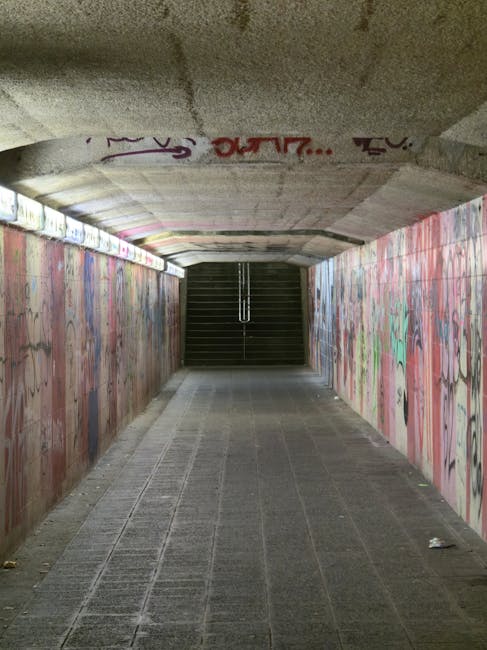
![Photograph of a narrow underground staircase with wooden steps leading upward, enclosed by tiled walls painted in light blue. A handrail is attached to each side of the staircase, painted in a contrasting darker blue. The ceiling above the stairs has a curved, tunnel-like shape with fluorescent lighting mounted along its length, illuminating the area evenly. The scene appears to be in a public transportation or pedestrian underpass area, with no furniture or packing materials visible. This setting is relevant to home relocations, as its stairs and access points could relate to the logistics of moving belongings in and out of properties, with the image possibly illustrating a typical route for furniture transport during an underground corridor move managed by [COMPANY_NAME], supporting efficient packing and loading processes for a house removal or flat relocation.](/pub/blogphoto/packing-flats-above-blackwall-tunnel-stairs-and-access-tips2.jpg)
Common Mistakes to Avoid
Most access problems are predictable. That is the annoying part. The good news is they are also avoidable if you know what to look for.
- Overfilling large boxes: Heavy, oversized boxes are miserable on stairs and more likely to split.
- Ignoring the staircase geometry: Tight corners and low ceilings can stop furniture even when the measurements look fine on paper.
- Forgetting external access: Parking, loading, and building entry all affect the move, not just the inside of the flat.
- Packing fragile items loosely: Items shift during turns and landings. That is when damage happens.
- Leaving essentials in random boxes: If you need a charger, keys, or documents quickly, searching through twelve boxes is not fun.
- Not telling your movers about access issues: If there is no lift, a long carry, or an awkward entrance, say so early.
A small story from many London moves: someone thinks the wardrobe will "probably fit if we angle it." Maybe. Maybe not. Usually not without a plan, a second pair of hands, and a lot more patience than expected.
For health and handling concerns, the page on health and safety policy is worth reviewing alongside the company's insurance and safety information. Peace of mind matters, especially when stairs are involved.
Tools, Resources and Recommendations
You do not need a warehouse full of gear, but the right tools can make stair-heavy packing far easier.
| Tool or Resource | Why It Helps | Best Use |
|---|---|---|
| Small and medium moving boxes | Better weight control on stairs | Books, kitchenware, files, toiletries |
| Packing paper and bubble wrap | Prevents movement and surface damage | Glassware, electronics, decor |
| Furniture blankets | Helps protect corners and finishes | Sofas, tables, wooden furniture |
| Strong tape and labels | Keeps boxes secure and easy to identify | Every box, really |
| Platform trolley or sack truck | Reduces repeated lifting where access allows | Ground-floor sections, longer carries, heavier loads |
For especially bulky or delicate items, it can make sense to use specialist support. A piano, for example, is not something you casually carry down a tight stairwell on a Tuesday evening. The dedicated piano removals page and the related article why piano moving is best left to professionals explain that better than any quick tip ever could.
If you are unsure whether you need a van, a full removals team, or short-term storage, the broader services overview and storage in Blackwall can help you decide. Sometimes a staged move is simply easier. No drama.
For customers who like to understand the business side before booking, pricing and quotes and payment and security are sensible next stops.
Law, Compliance, Standards, or Best Practice
Flat moves in the UK do not usually involve complicated regulation for the customer, but there are still sensible standards worth following. The main ones are about safety, access, and fair use of shared spaces. If you live in a managed block, check any building rules about moving hours, lift use, parking bays, or protection for communal areas. Many landlords and managing agents expect a move to be arranged in a way that avoids damage and disruption.
From a best-practice perspective, moving teams should work in a way that reduces risk of injury and property damage. That means sensible lifting technique, appropriate equipment, clear communication, and not forcing items through a space where they clearly do not fit. In the UK, basic health and safety obligations apply to moving activity in the workplace, so professional teams should be mindful about manual handling and safe working methods. The exact setup can vary, but the principle is steady: if something looks unsafe, stop and rethink it.
For customers, the practical takeaway is simple. Tell the removal team about access issues in advance, share any building restrictions, and do not assume a quick job will remain quick if the route is awkward. Good communication is part of compliance in spirit, even if no one says it out loud.
For additional trust and company background, you can also review the about us page, the terms and conditions, and the accessibility statement.
Options, Methods, or Comparison Table
Different moves call for different approaches. The right choice depends on stair access, item size, time pressure, and how much help you want on the day.
| Method | Best For | Pros | Trade-Offs |
|---|---|---|---|
| DIY packing with helpers | Small moves, short stairways, lower budgets | Flexible, personal control, lower service cost | More physical effort, more risk if access is tight |
| Man and van | Compact flats, limited loads, short-distance moves | Efficient, cost-conscious, good for access-heavy areas | You still need to pack carefully and be organised |
| Full removals service | Family moves, larger flats, bulky furniture | More support, faster handling, better for awkward items | Usually the most expensive option |
| Move with storage | Gap between properties, renovation, downsizing | Helps avoid pressure when dates do not line up | Requires extra planning and storage costs |
There is no perfect answer for every household. If your staircase is tight and your furniture is bulky, a better team and a better packing method can be more cost-effective than trying to save money on labour. Sometimes cheap becomes expensive. Quite fast.
Case Study or Real-World Example
Imagine a couple moving from a third-floor flat near Blackwall with no lift and a narrow stairwell shared by several flats. They have a sofa, a bed frame, a small fridge, and about forty boxes, half of them packed too large at first. The first version of the move would be exhausting. Probably chaotic too.
Instead, they start by re-packing the heavy boxes into smaller ones. Books are split into several cartons. Kitchen items are wrapped and grouped by cupboard. The sofa cushions are removed, wrapped separately, and labelled. The bed frame is dismantled the day before. They also measure the stair turns and warn the movers about the tight landing.
On move day, the load order is planned so the most awkward items come out first while the stairs are still clear. A second person stands by the door to guide corners. Nothing gets rushed. A couple of extra minutes at the building entrance saves a lot of awkward shuffling halfway down the stairs.
The result? Fewer trips, less damage risk, and a calmer arrival at the new place. Not glamorous. But effective. And that is what matters on moving day.
If your move involves a longer local route, such as crossing between East India Dock Road and Canary Wharf, the local guide moving from East India Dock Road to Canary Wharf: quick tips adds useful context for nearby journeys and timing.
Practical Checklist
Use this before the van arrives. It keeps the day steady.
- Measure stairs, landings, doorways, and any turns that might catch bulky items
- Confirm whether there is lift access and whether it is large enough for furniture
- Check parking or loading space near the property
- Re-pack heavy items into smaller boxes
- Wrap fragile items with enough padding to survive turns and stops
- Label boxes by room and priority
- Set aside an essentials box for the first night
- Dismantle beds, shelves, or flat-pack items before move day if possible
- Protect floors, bannisters, and corners where needed
- Tell your removal team about access issues in advance
- Keep pathways clear inside the flat and at the entrance
- Have keys, phone numbers, and building access details ready
It is a simple list, but the simple list is usually the one people wish they had followed. There is a reason experienced movers get slightly obsessive about tape, labels, and measurements.
Conclusion
Moving a flat above Blackwall Tunnel does not have to be a battle with stairs, corners, and cardboard. With the right packing plan, you can make access work for you instead of against you. The best approach is usually the one that keeps boxes manageable, protects fragile belongings, and respects the realities of the building layout. Nothing fancy. Just smart, calm, practical preparation.
Whether you are packing a small studio, a family flat, or a property with awkward access, the same principle applies: think about the staircase first, then pack around it. That one shift in mindset can save time, reduce stress, and make the day feel much more under control.
If you are comparing service options or want help with the next step, look through the local removals Blackwall page or the wider removal companies in Blackwall information. And if you just want to keep the whole thing moving, well, that is fair enough too.
Get a free quote today and see how much you can save.
With a thoughtful plan and the right help, even a tricky stairwell can feel manageable. One box at a time. That is usually how the good moves begin.