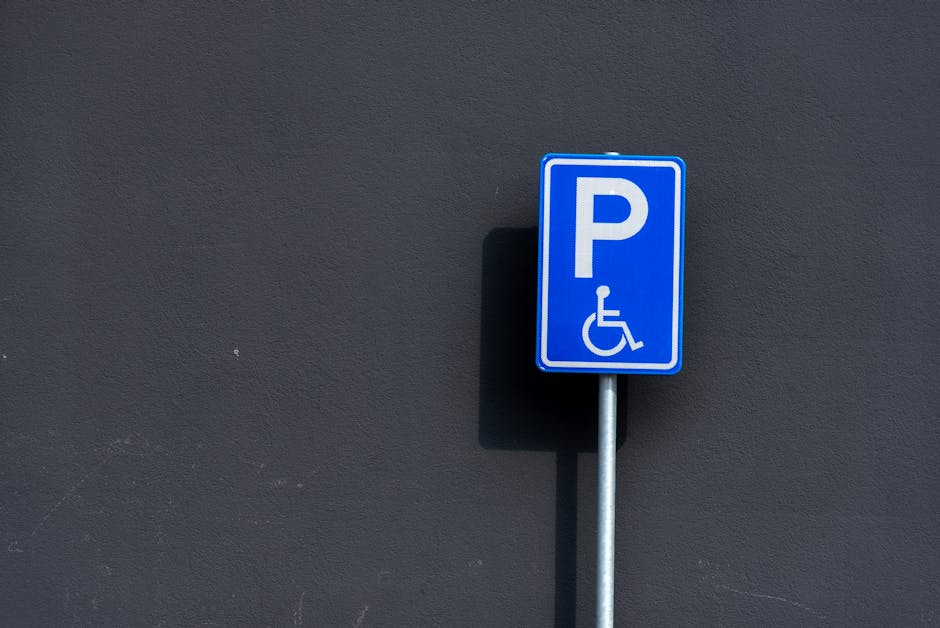
Tower Hamlets parking permits for Blackwall removals
Posted on 26/06/2026
Tower Hamlets parking permits for Blackwall removals: a practical guide for a smoother move
If you are planning a move in Blackwall, the parking plan can make or break the day. Tower Hamlets parking permits for Blackwall removals are one of those details that seems small right up until the van circles the block, the lift is waiting, and someone is starting to panic because the loading space has vanished. In a busy part of east London, a well-timed parking arrangement can save money, reduce stress, and keep the move moving. This guide explains how it works, why it matters, and what to do before removal day so you are not improvising on the pavement at 8:15 in the morning.
Whether you are moving from a flat near East India Dock Road, a higher-floor apartment with awkward access, or a family home that needs a full house removals Blackwall setup, the same principle applies: parking is part of the job, not an afterthought. And yes, it is often the bit people forget until the last minute.
Contents
- Why Tower Hamlets parking permits for Blackwall removals matters
- How Tower Hamlets parking permits for Blackwall removals works
- Key benefits and practical advantages
- Who this is for and when it makes sense
- Step-by-step guidance
- Expert tips for better results
- Common mistakes to avoid
- Tools, resources and recommendations
- Law, compliance, standards and best practice
- Options, methods and comparison table
- Case study or real-world example
- Practical checklist
- Conclusion
- Frequently asked questions
Why Tower Hamlets parking permits for Blackwall removals matters
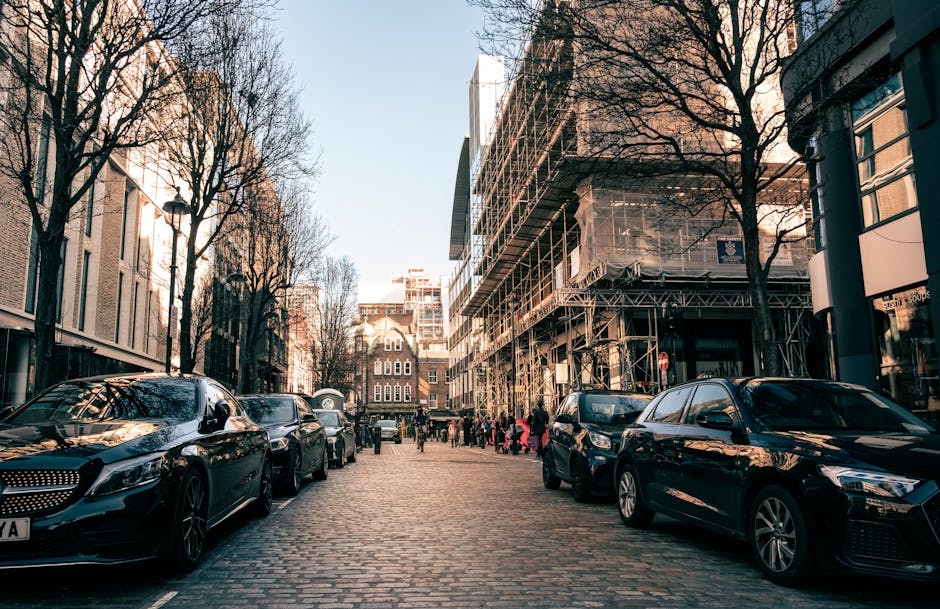
Parking in Blackwall is not just about convenience. It affects the entire rhythm of the move. A removal van needs enough space to stop safely, load efficiently, and avoid blocking traffic or causing conflict with neighbours. In a dense part of London, that space is rarely guaranteed. Without a permit or a clear plan, the van may have to park farther away, which means more carrying, more time, and more risk of damage.
That extra distance matters more than people think. One extra minute carrying a mattress through a narrow entrance sounds harmless. Do that repeatedly with boxes, furniture, or fragile items and the strain adds up. If you have already read our guide to packing flats above Blackwall Tunnel stairs and access tips, you will know how access challenges can snowball fast.
There is also the cost angle. Parking mistakes can lead to avoidable fines or delays. Even a short stop in the wrong place can turn a straightforward move into a tense one. That is especially true for same-day jobs, where timing is tight and every minute counts. Truth be told, most moving stress is not from the boxes; it is from the things around the boxes.
Expert takeaway: in Blackwall, a good parking plan is part of your removals logistics. It protects time, reduces physical carrying, and helps the move stay calm and controlled.
How Tower Hamlets parking permits for Blackwall removals works
In practical terms, a parking permit or suspension arrangement is about making space available for the vehicle that is doing the move. The exact route depends on the street, the parking restrictions in place, the length of stay, and whether your move needs a loading bay, suspended bay, or another controlled parking solution. The safest approach is to treat every Blackwall street as different until you have checked the details.
For removals, the main aim is usually to create a legal place where the van can load and unload without risk of a penalty. That might mean arranging a bay suspension, requesting permission for a specific vehicle, or using a designated loading area if one is available. Not every move needs the same solution, and that is where experience helps.
The best route depends on the property type too. A one-bed flat move with a few boxes is a very different beast from an office relocation with filing cabinets and IT equipment. If you are planning a larger job, our guide to effortless house moving is a useful companion because it shows how transport, packing, and timing all fit together.
Usually, the process looks something like this:
- Check the road and restrictions around the pickup and drop-off addresses.
- Decide whether you need a permit, bay suspension, or short loading arrangement.
- Confirm the vehicle details and the timing of the move.
- Allow enough lead time so the parking arrangement is approved before moving day.
- Brief the removal team so they know exactly where to stop, unload, and keep the job efficient.
That sounds simple on paper. In real life, it is the small things that matter: a narrow street, a resident bay that fills up early, or a lift-only building where the first trolley run takes longer than expected. Little details, big consequences.
Key benefits and practical advantages
Getting parking sorted properly is not just about avoiding a ticket. It shapes the whole experience of the move. Here are the biggest advantages.
- Less time lost: the van can park where it needs to, rather than hunting for a gap several streets away.
- Lower physical strain: fewer extra metres carrying furniture or boxes means less fatigue.
- Better protection for items: shorter carry distances reduce the chance of knocks and drops.
- Cleaner neighbour relations: a legal, organised setup is less likely to annoy residents or block access.
- Smoother scheduling: if the van can load quickly, the rest of the day stays on track.
For moves involving bulky pieces, the benefit is even clearer. A sofa, wardrobe, or bed frame can be awkward enough without adding a long walk from a distant parking spot. If you are moving furniture specifically, our furniture removals Blackwall page offers a helpful sense of how that side of the job is typically handled.
There is also a mental benefit, which people sometimes overlook. When parking is uncertain, everyone becomes slightly more tense. You start checking the window every few minutes. The driver is watching the clock. Someone mutters about bay spaces. It is not dramatic, but it wears people down. A proper permit plan takes that background noise out of the day.
Who this is for and when it makes sense
Not every move needs a formal parking arrangement, but many do. In Blackwall, it makes sense for any move where the vehicle will need to stop close to the property for more than a moment. That includes flats, terraced homes, office moves, student moves, and same-day removals where speed matters and the margin for error is small.
You are especially likely to need it if:
- the street is heavily restricted or already busy with resident parking
- the property has limited access or no private drive
- you are moving a full flat or house rather than a few bags
- the van will need to wait while items are carried from upstairs
- you are moving during a busy weekday period or at the start/end of the month
If you are moving out of a small flat, the parking issue can feel minor until you realise the lift is shared, the corridor is tight, and there is nowhere for the van to sit. Our small lift challenges in Blackwall flats article covers some of the access headaches that often go hand-in-hand with parking pressure.
Students and renters often need this more than they expect. If you are moving between flats, our student removals Blackwall service is relevant when the job is quick but still needs proper logistics.
Step-by-step guidance
Here is the most sensible way to approach Tower Hamlets parking permits for Blackwall removals without overcomplicating it.
1. Confirm the exact addresses and access points
Start with the full picture. Where is the van loading from, and where is it unloading? Sometimes the front door is not the practical door. A rear lane, side entrance, or service road may be more suitable. Walk it if you can. The extra five minutes can save a lot of guesswork.
2. Check the parking restrictions on both sides of the move
The pickup and drop-off streets may have different rules. That matters. A van can be perfectly fine at one end and not at the other. Even if you are only moving a short distance, do not assume the parking setup will mirror itself.
3. Decide whether you need a permit, bay suspension, or loading arrangement
This depends on the street and the type of bay available. A shorter move may work with a loading bay if one exists. A longer or more complex move may need a more formal arrangement. If in doubt, choose the option that gives the crew enough time to work safely without improvising.
4. Match the vehicle to the permit plan
Make sure the van size and registration details are correct. This is one of those tiny admin details that causes unnecessary trouble if you get it wrong. The wrong plate on the application can mean the whole arrangement becomes useless. Annoying? Very.
5. Build the moving schedule around the parking window
Do not treat the parking slot as a vague suggestion. Build your loading and unloading around it. If the arrangement is time-limited, pack and stage items so the crew can start quickly. Our smart packing strategies guide is useful here because efficient packing directly supports better loading-time control.
6. Brief everyone involved
Tell the removal team, the building contact if there is one, and anyone helping you move what has been arranged. One person thinking there is a space and another person thinking there is a different space is how people end up doing laps with a trolley.
7. Keep backup options in mind
Because London, and because life. If a bay is blocked or an access route changes unexpectedly, have a fallback plan. This might be a second loading point, a revised start time, or a short pause while the driver positions elsewhere.
Expert tips for better results
Here is where experience really pays off. These are the practical habits that make the day feel easier.
- Apply early. Leave room for delays, admin checks, or changes in vehicle details.
- Measure the carry distance. If the van cannot stop close enough, consider whether extra labour or time is needed.
- Use clear labels. You want the first van load to be the right load. Nothing slows a move like hunting for the kettle while the sofa is already on the lift.
- Stage items near the exit. Keep walkways clear and boxes grouped by room or priority.
- Pair the parking plan with the packing plan. Good parking without organised packing is only half a win.
For heavier or awkward items, it helps to think ahead about handling rather than just parking. Our article on kinetic lifting mechanics and the guide to lifting heavy solo both show why movement technique matters when distance and weight start to pile up.
If the move includes a bed, mattress, or other large bedroom furniture, it is worth reading the expert guide to moving your bed and mattress. Large pieces are often the ones that expose weak parking arrangements, because they cannot be handled in small, neat bites. They are, to be fair, a bit unforgiving.
Common mistakes to avoid
Most parking problems come from assumptions. That is the blunt truth. Here are the errors we see most often.
- Leaving it until the day before. Parking arrangements can take time. Last-minute plans create pressure and shrink your options.
- Assuming the same rules apply to both addresses. They usually do not.
- Forgetting the vehicle details. One wrong character can cause headaches.
- Underestimating loading time. A flat move is rarely as quick as people imagine.
- Ignoring nearby traffic patterns. School runs, commuter periods, and delivery peaks all affect access.
- Not preparing the property interior. If the hall is full of loose items, the team loses time even if the parking is perfect.
One other quiet mistake is forgetting what happens after the parking issue is solved. If you have nowhere to put boxes because the new place is not ready, storage can help break the job into manageable pieces. Our storage Blackwall page may be useful if your move has a gap between handover and delivery.
And if there is any cleaning or final tidy-up to do before keys are handed back, take a look at our pre-move-out cleaning steps. It sounds unrelated, but it really is part of the same moving chain.
Tools, resources and recommendations
You do not need a bag full of specialist gear to handle parking properly, but a few simple tools make life easier.
- Checklists: a simple paper or phone checklist stops details slipping through the cracks.
- Labels and markers: these help the unloading sequence stay efficient.
- Measuring tape: useful for confirming whether furniture will fit through doors and lifts.
- Phone notes or screenshots: keep permit details, timings, and vehicle registration handy.
- Protective coverings: for floors, upholstery, and delicate corners during longer carry routes.
On the planning side, a good quote conversation matters too. If you want to compare how access, parking, and volume affect the overall job, our pricing and quotes page is a sensible place to understand what is usually considered. It is not just about distance; it is about time, complexity, and how much coordination is required.
You may also find it useful to scan the broader services overview if your move involves more than one element, such as packing, furniture handling, or storage. A joined-up plan is normally calmer than trying to bolt everything together at the last minute.
Law, compliance, standards and best practice
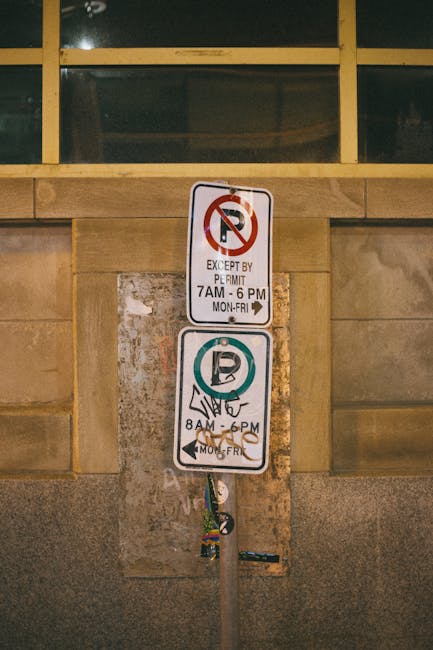
When you are dealing with parking in Tower Hamlets, the main thing is to follow the local parking rules that apply to the exact street and time of day. This is one area where caution is smarter than assumption. Restriction signs, bay markings, and local conditions all matter. If the street is controlled, you should treat it as controlled until you have checked properly.
From a best-practice perspective, the important points are straightforward:
- use the correct vehicle details
- do not overstay the approved time window
- keep the loading activity orderly and safe
- avoid blocking access for neighbours, emergency routes, or foot traffic
- brief everyone involved so no one works from a different plan
Health and safety also matters. Removal work involves lifting, pushing, and moving through confined spaces. Good parking reduces some of that risk because it shortens carry routes and limits pressure on the team. If you want a clearer sense of the safety mindset behind the work, our insurance and safety page is worth a look.
There is also a broader responsibility around waste and disposal. If your move includes items you do not want to take with you, think carefully about reuse, recycling, or lawful disposal. A helpful starting point is our recycling and sustainability page and the article on who removes bulky waste in Blackwall. That way the move does not end with a pile of unwanted furniture on the pavement. Nobody wants that scene.
Options, methods and comparison table
Different moves call for different parking approaches. Here is a simple comparison that may help you decide what fits best.
| Option | Best for | Pros | Watch-outs |
|---|---|---|---|
| Loading bay | Short, efficient moves with clear stop-and-go loading | Close access, easy unloading, good for time-sensitive jobs | May be limited by time windows or local demand |
| Permit or suspension | Moves where the van needs a reserved legal space | More certainty, better for larger moves | Requires planning and correct vehicle details |
| Short curbside loading | Small moves with minimal items | Simple, quick if conditions are favourable | Less reliable in busy streets, easy to overrun |
| No formal arrangement | Very small moves or properties with private access | Flexible if you already have a driveway or private space | Not ideal for busy Blackwall streets |
For many Blackwall moves, the best answer is not the fanciest one. It is the one that gives you enough certainty. If your route is tight, the van is large, or the building access is awkward, certainty beats optimism every time.
Case study or real-world example
Here is a realistic example drawn from the sort of move people often ask about.
A tenant moving from a flat in Blackwall to a nearby property in Canary Wharf had a small but awkward load: a bed, mattress, boxed kitchen items, a sofa, and a few delicate pieces. On paper it looked easy. In practice, the pickup street had limited parking, the building entrance sat back from the road, and the lift was shared with other residents. Without a proper parking plan, the van would have had to double back and stop further away.
The solution was to organise the parking in advance and stage the heavier items near the exit the night before. The removal team arrived, parked close enough to keep the carry route short, and worked in a tidy sequence: bedding and boxes first, then the sofa, then the bedroom items. No one was sprinting. No one was guessing. The job stayed calm, and the whole thing felt surprisingly ordinary, which is exactly what you want on moving day.
That move also benefited from a bit of pre-decluttering. Fewer unnecessary items meant fewer trips and less pressure on the parking window. If you are still deciding what to keep, our expert decluttering tips can make the next stage much simpler.
Practical checklist
Use this checklist a few days before the move, not on the morning itself.
- Confirm pickup and drop-off addresses.
- Check the parking restrictions for both locations.
- Decide whether a permit, bay arrangement, or loading space is needed.
- Verify van size and registration details.
- Build the timetable around the parking window.
- Tell the removal team about access, lifts, and any tight corners.
- Label boxes by room and priority.
- Keep walkways clear inside the property.
- Prepare protective materials for floors and fragile furniture.
- Have a backup plan if the space is occupied or access changes.
- Review whether any items should go into storage or recycling.
- Keep phone numbers and instructions easy to access on the day.
If you are moving a full property rather than a handful of boxes, our house removals Blackwall page can help you think through the wider move structure. And for tighter jobs, flat removals Blackwall is often the more relevant lens, because access and parking become even more central.
One last small thing: if the move needs to happen quickly, our same-day removals Blackwall page is a useful reminder that speed and planning should still go together. Fast does not have to mean chaotic. Not at all.
Get a free quote today and see how much you can save.
Conclusion
Tower Hamlets parking permits for Blackwall removals are really about control. Control over time, access, safety, and the small moving-day details that can otherwise spiral into stress. When the parking is planned well, the job feels lighter. Fewer wasted steps. Fewer arguments about where the van can sit. Fewer awkward delays outside the building while everyone waits for a space to open up.
If you remember only one thing, make it this: do not treat parking as a side task. It sits right at the heart of a smooth Blackwall move. Pair it with careful packing, realistic timing, and clear communication, and you will give yourself a much better day. A calmer one too, which matters more than people admit.
And honestly, moving is hard enough without playing parking roulette.